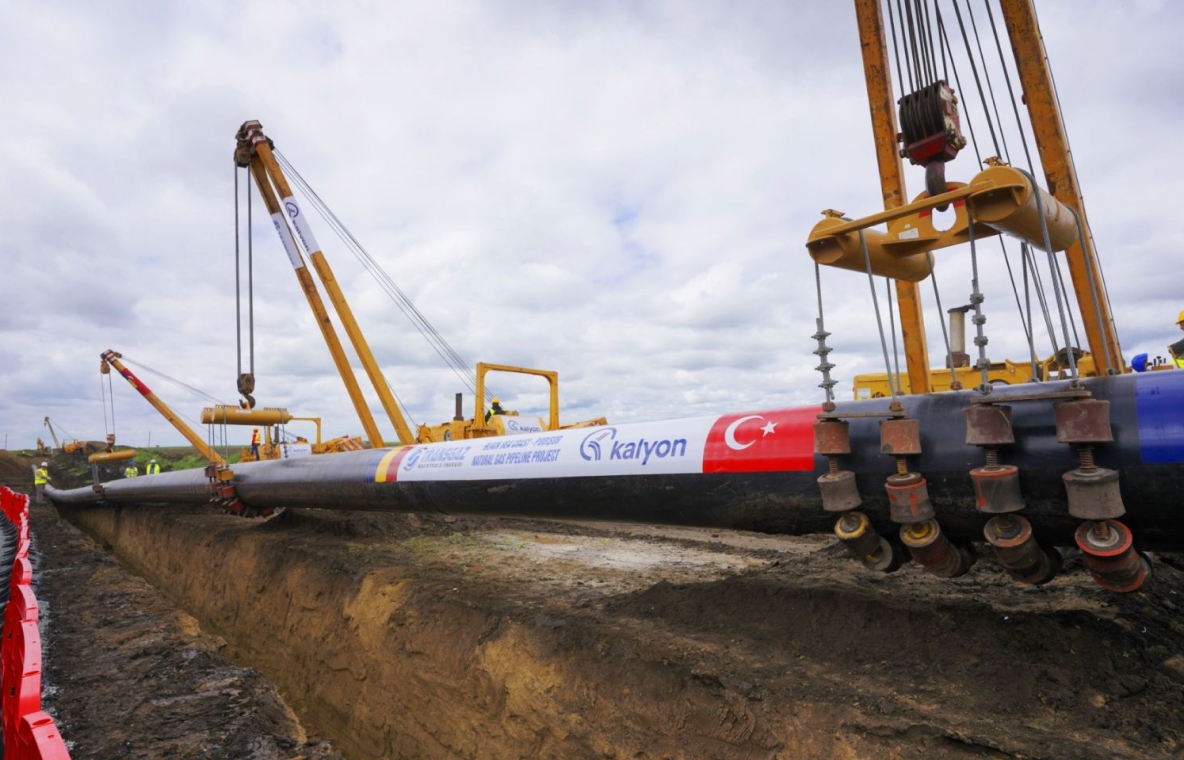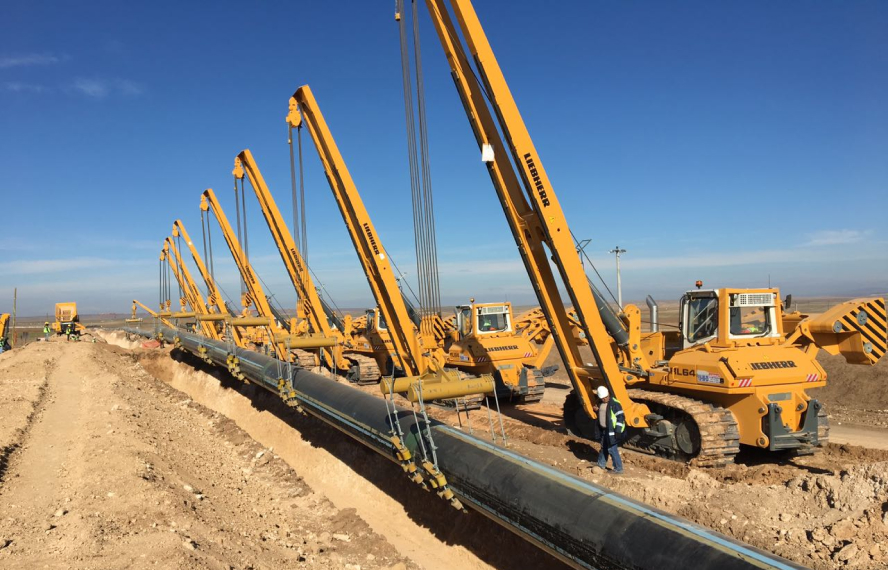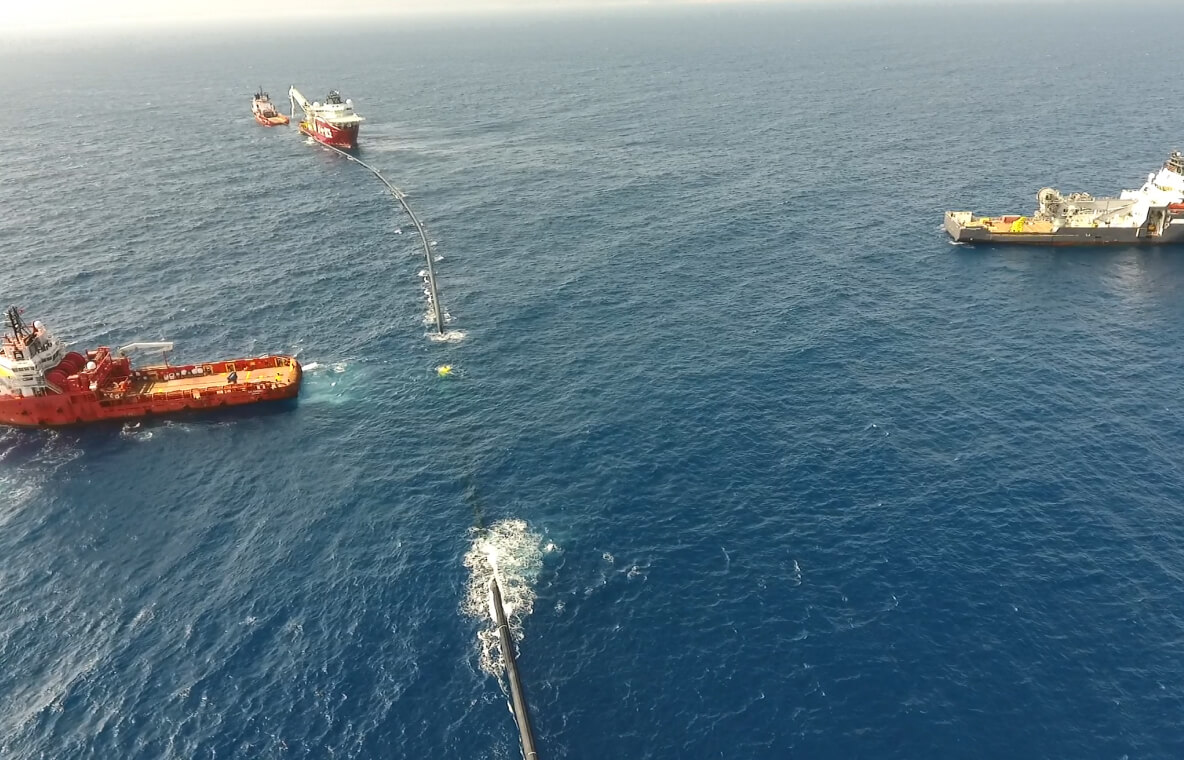

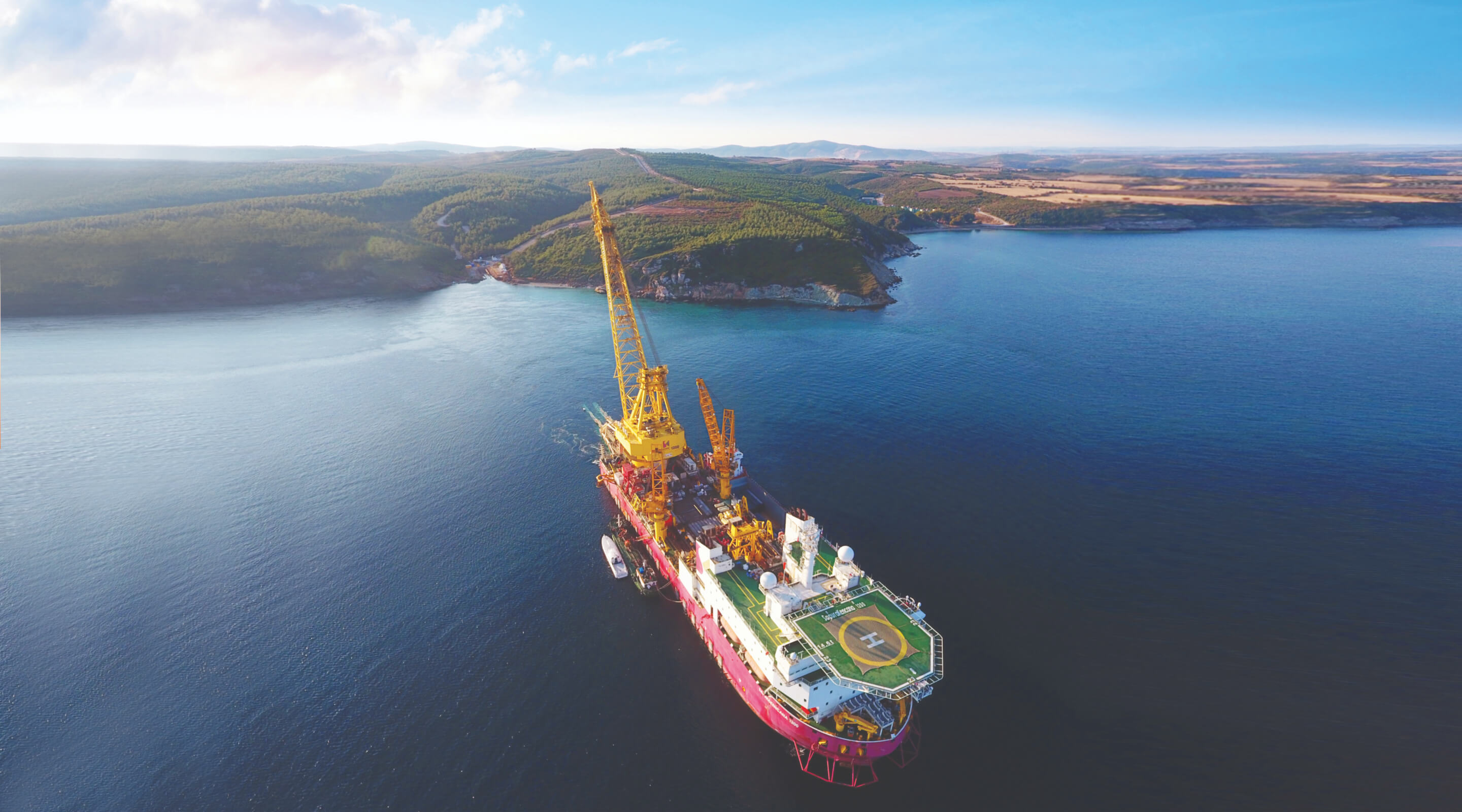
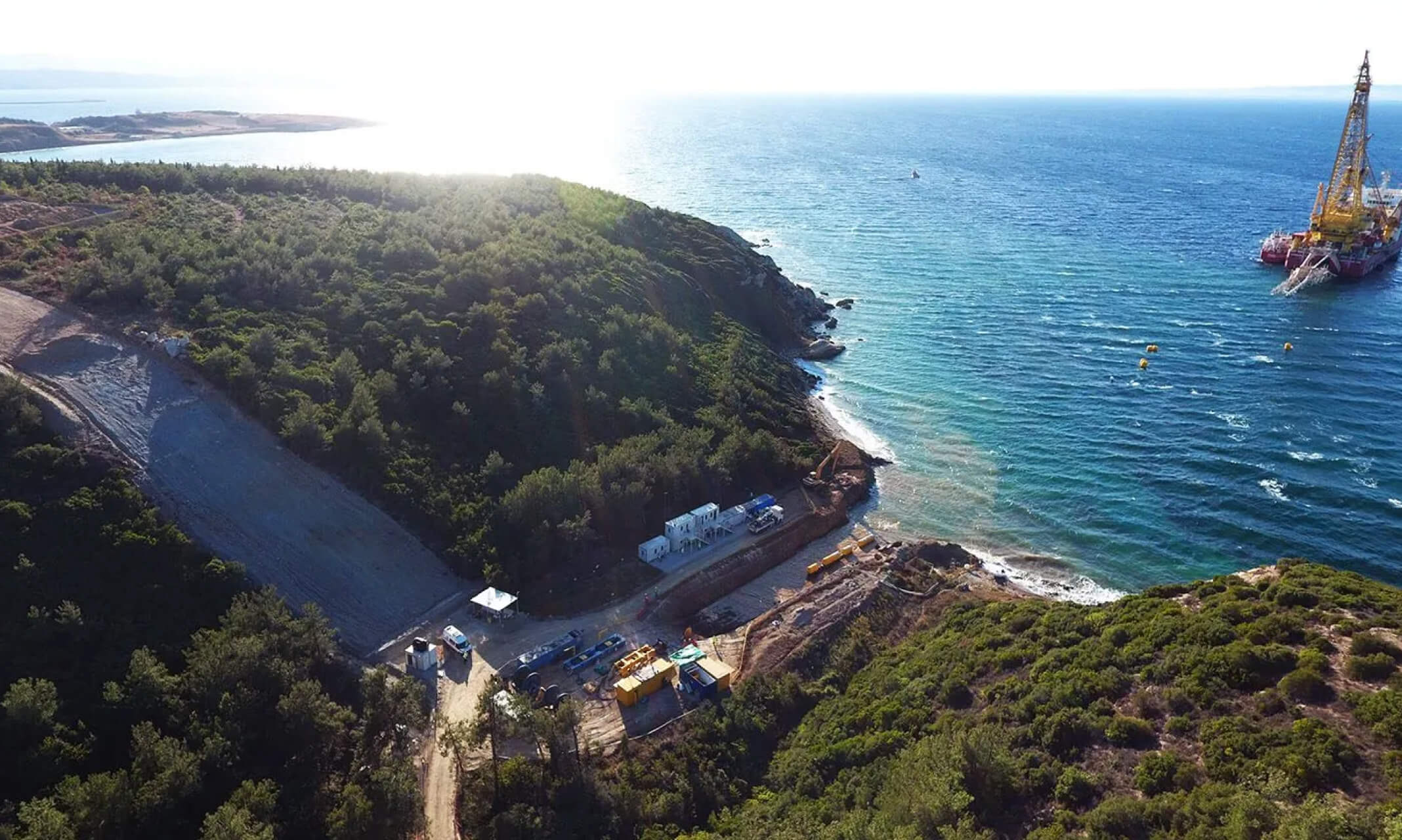
TANAP Lot 5, to which Kalyon İnşaat contributed, covers the Dardanelles crossing, a critical stage in natural gas transmission from Asia to Europe.
International Projects
TANAP Natural Gas Pipeline, LOT 5
TANAP Natural Gas Pipeline, LOT 5
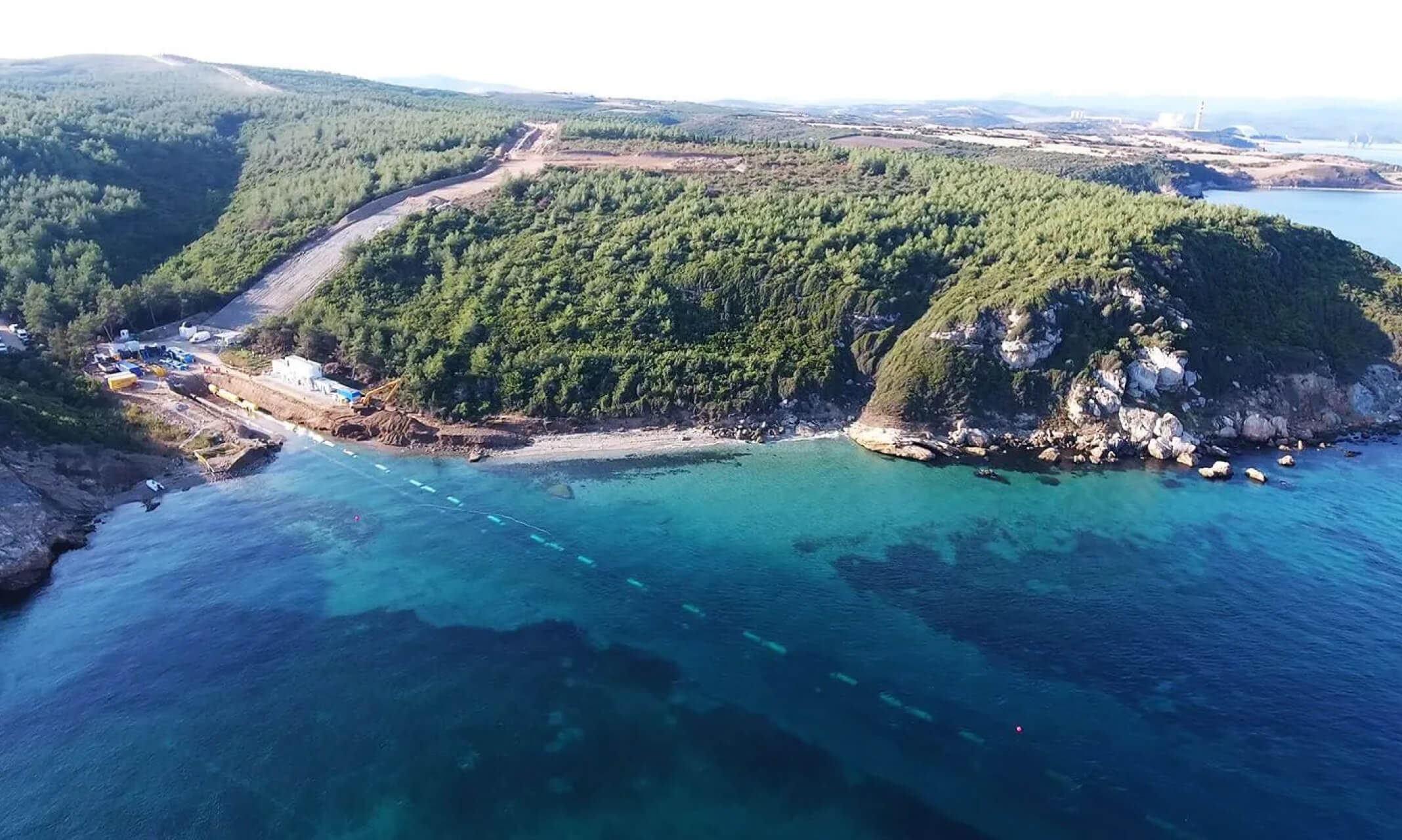
A subsea natural gas transmission line beneath the Dardanelles
Eskişehir to İpsala (Greek border)
2016-2018

General Information

Location
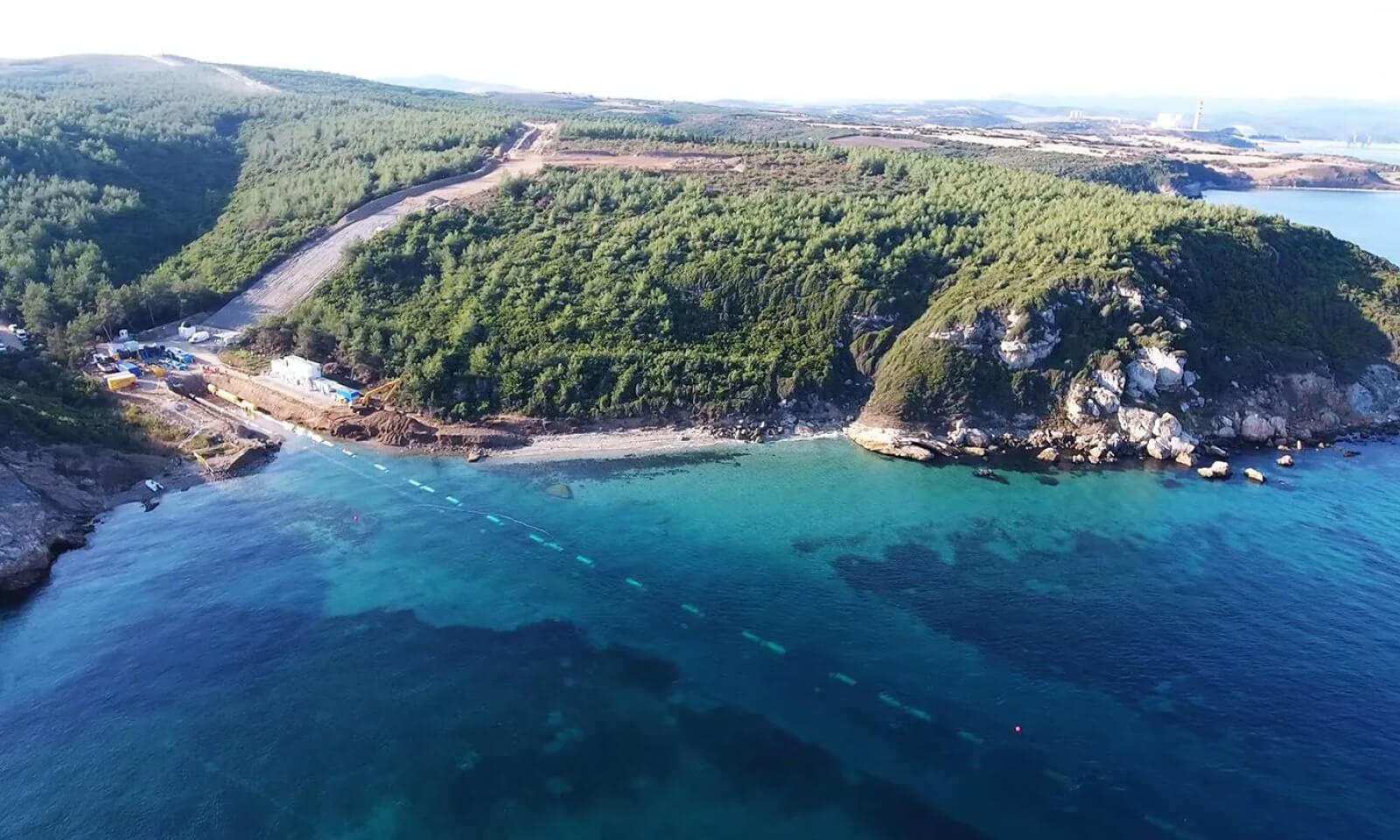
Çanakkale Strait, Sea of Marmara

Client/Employer
Trans Anadolu Doğal Gaz Boru Hattı A.Ş. (TANAP)

Project Scale
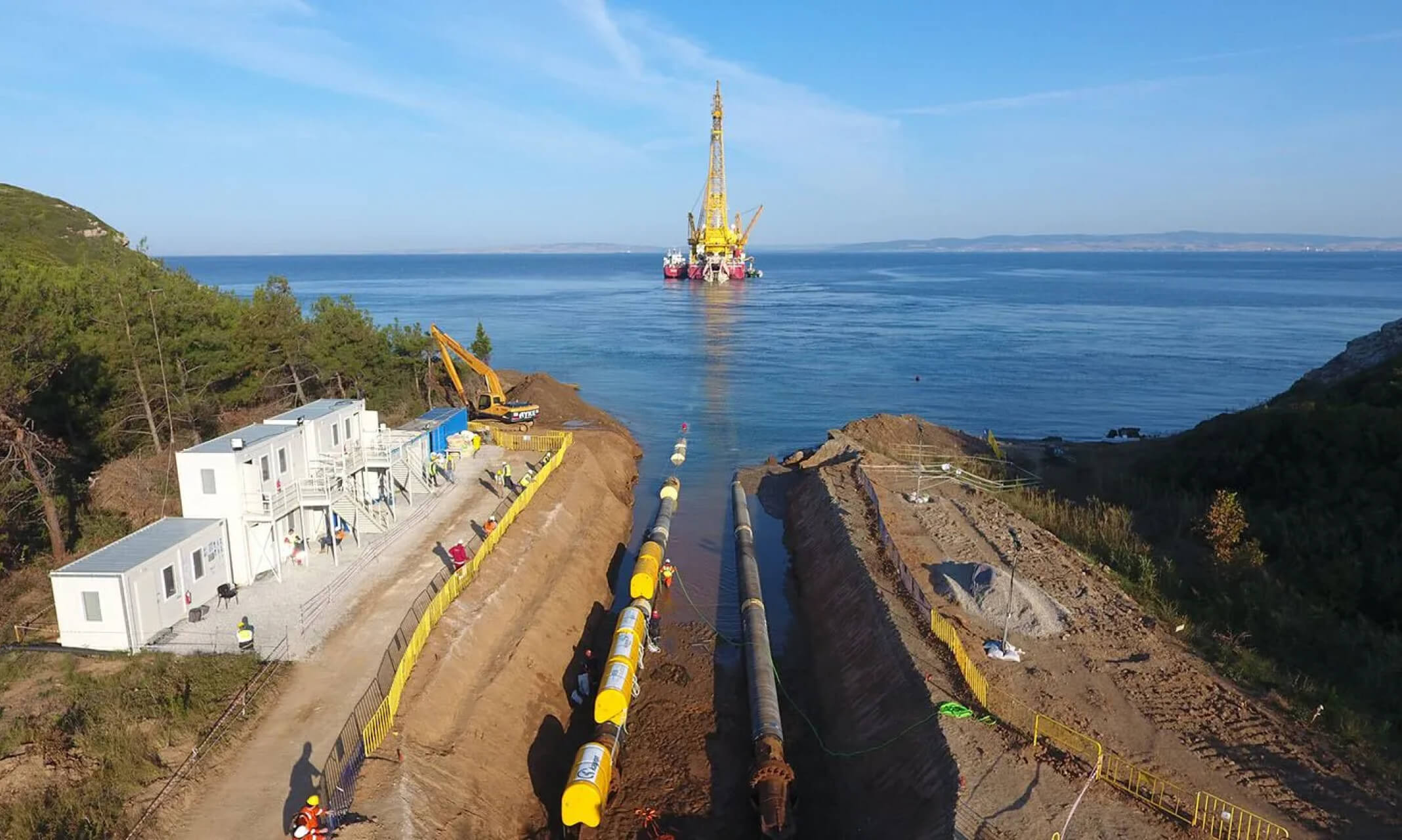
A 34 km twin steel pipeline, 36 inches in diameter, plus four fiber optic cable lines

Infrastructure Components
- Twin pipeline system
- Construction in water depths up to 65 m
- Special subsea laying and protection systems
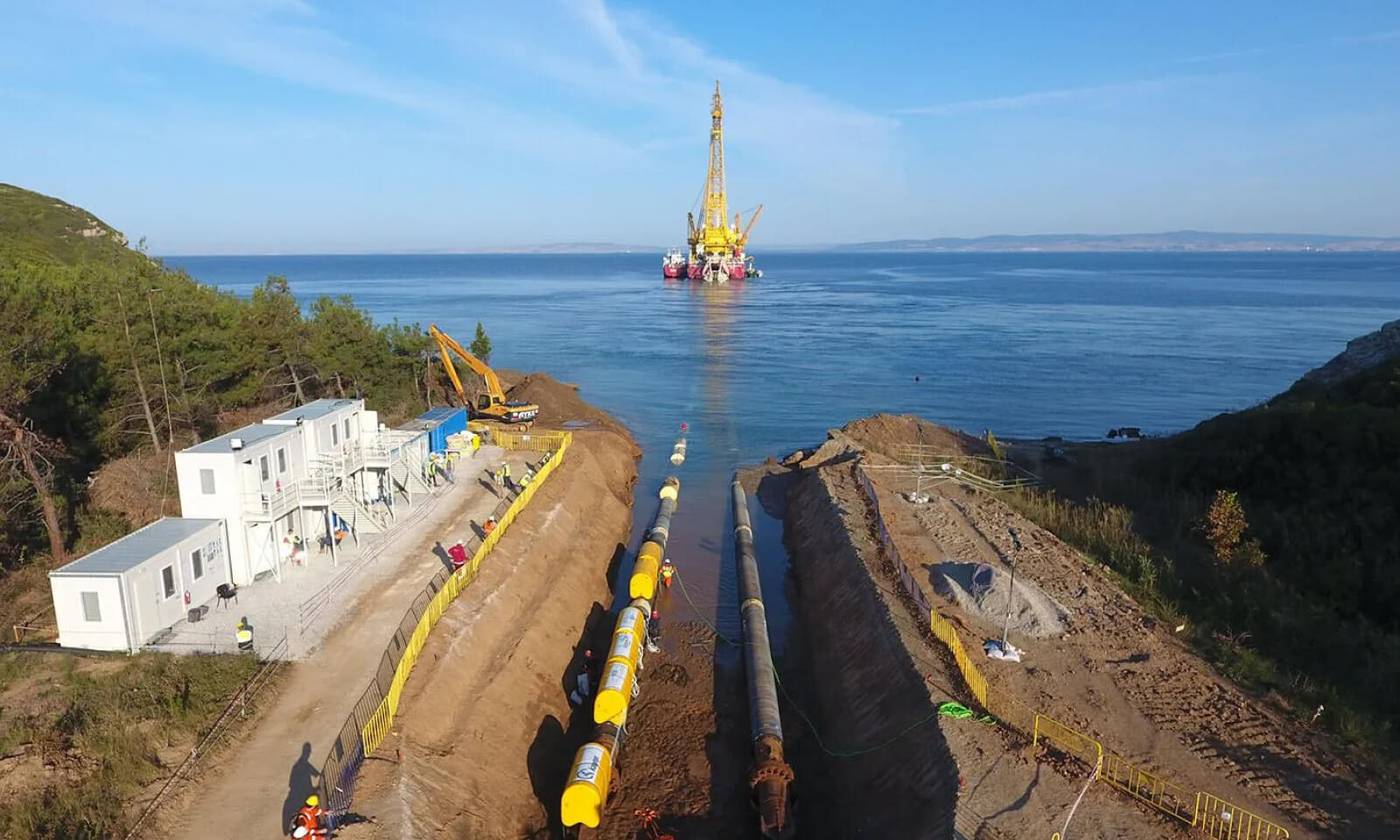
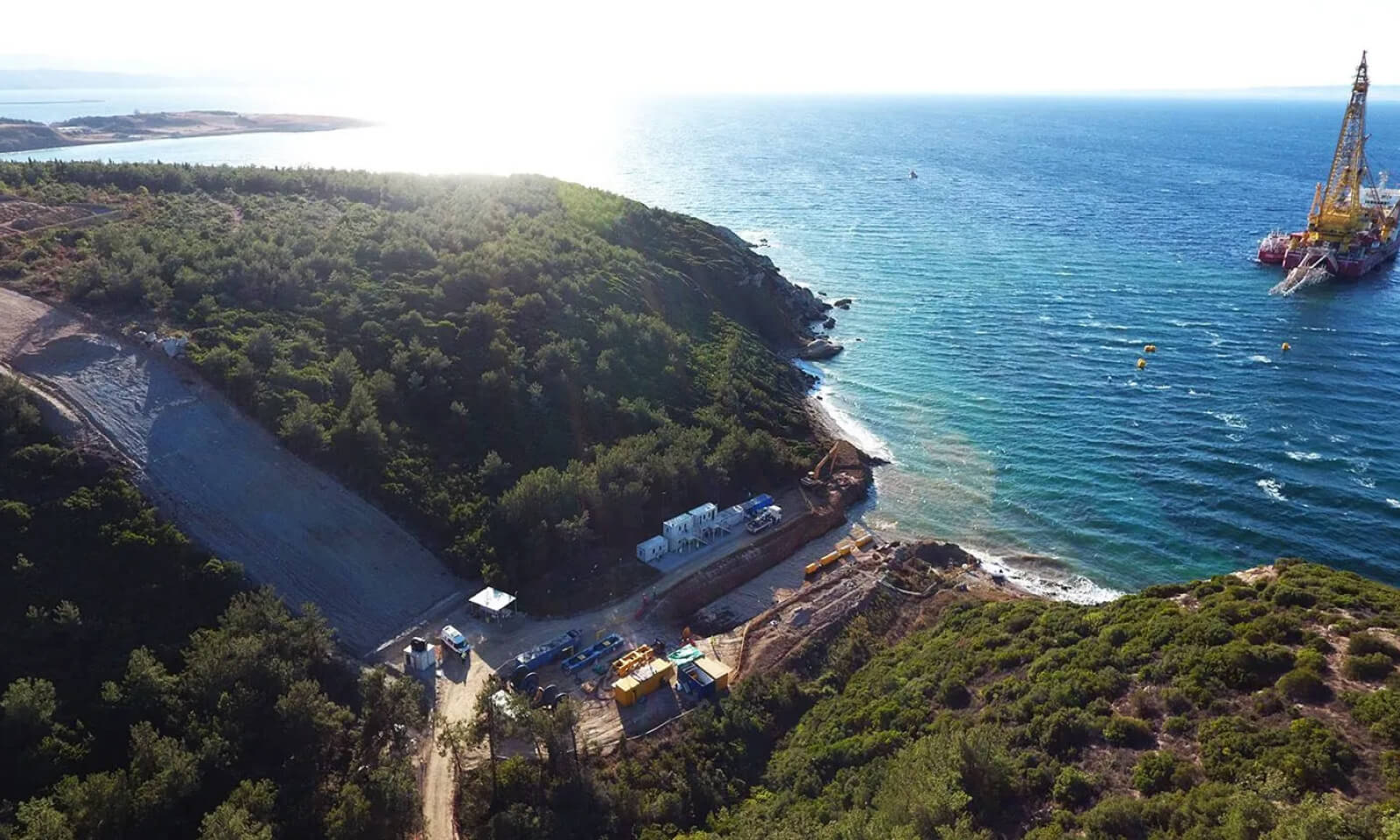
- From the shore to a depth of 25 m, the pipes were laid in a trench excavated in the seabed and protected by backfilling.
- All fiber optic cable lines were buried 3 m beneath the seabed.
- Steel pipes and fiber optic lines crossed above four existing fiber optic cables at a seabed depth of 65 m using specially fabricated bridge elements, without contact or damage.

Project Duration
2016-2018

Function
Laying steel pipelines on the seabed to carry Azerbaijani gas from Asia to Europe beneath the Dardanelles

Key Feature
Laying subsea steel natural gas pipelines, one of Türkiye's most challenging engineering operations
Architectural and Engineering Details
Project Stages and Solutions
Construction Stages
01
Seabed surveys and engineering analyses
02
Pipe coating and welding
03
Lowering and laying pipes underwater
04
Pressure and leak testing of the twin line system,
05
Laying four fiber optic cable lines buried 3 m beneath the seabed
06
Crossing above four previously laid fiber optic cables spanning the Dardanelles without contact
07
Stabilization and environmental rehabilitation
Solutions

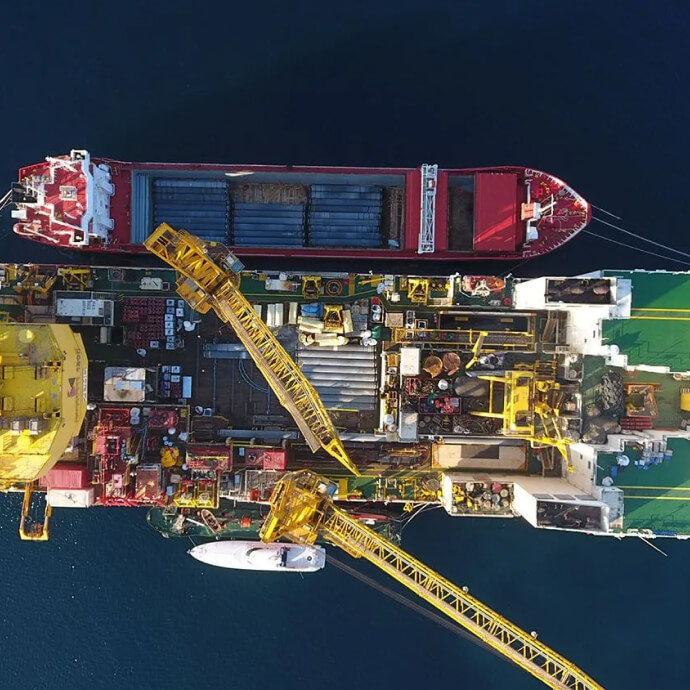
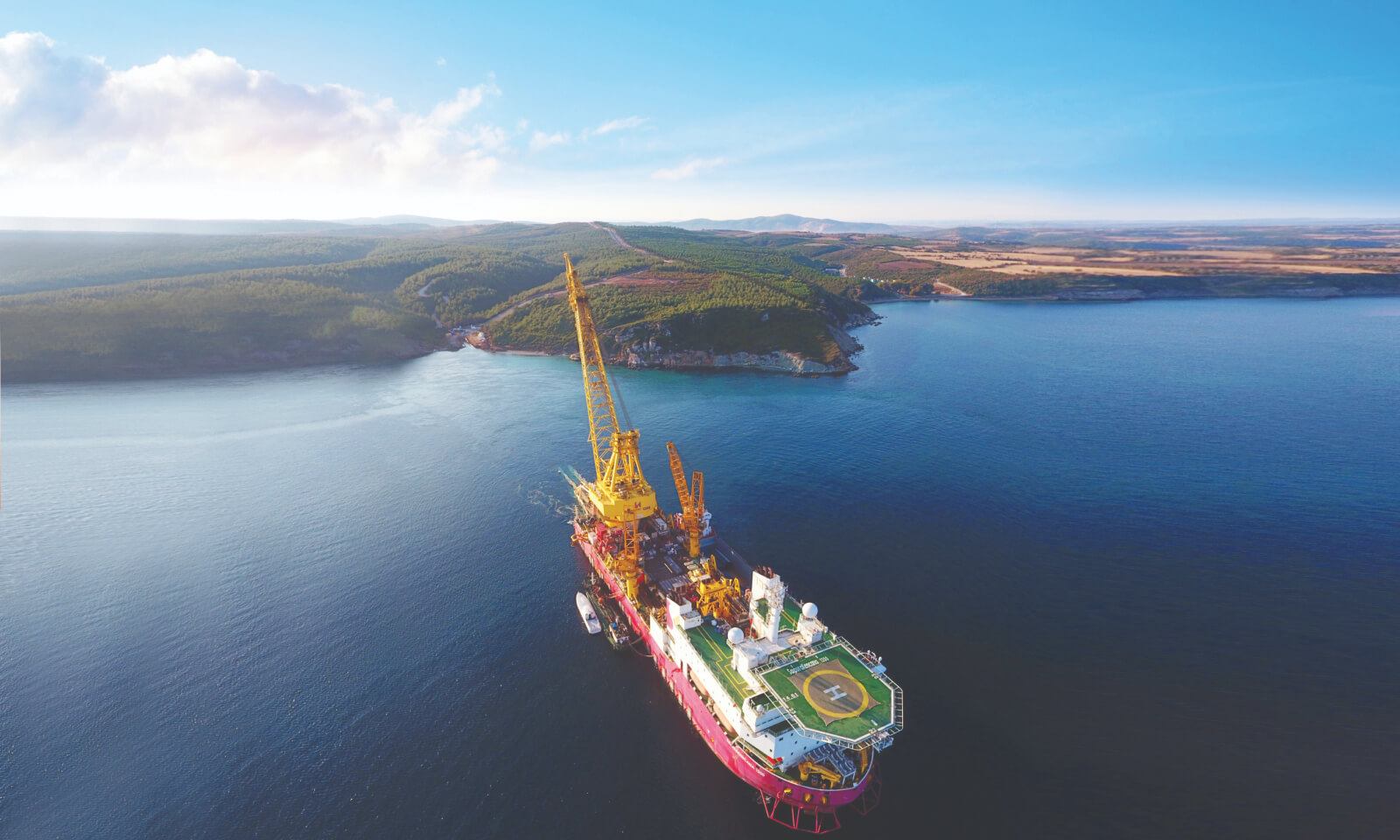
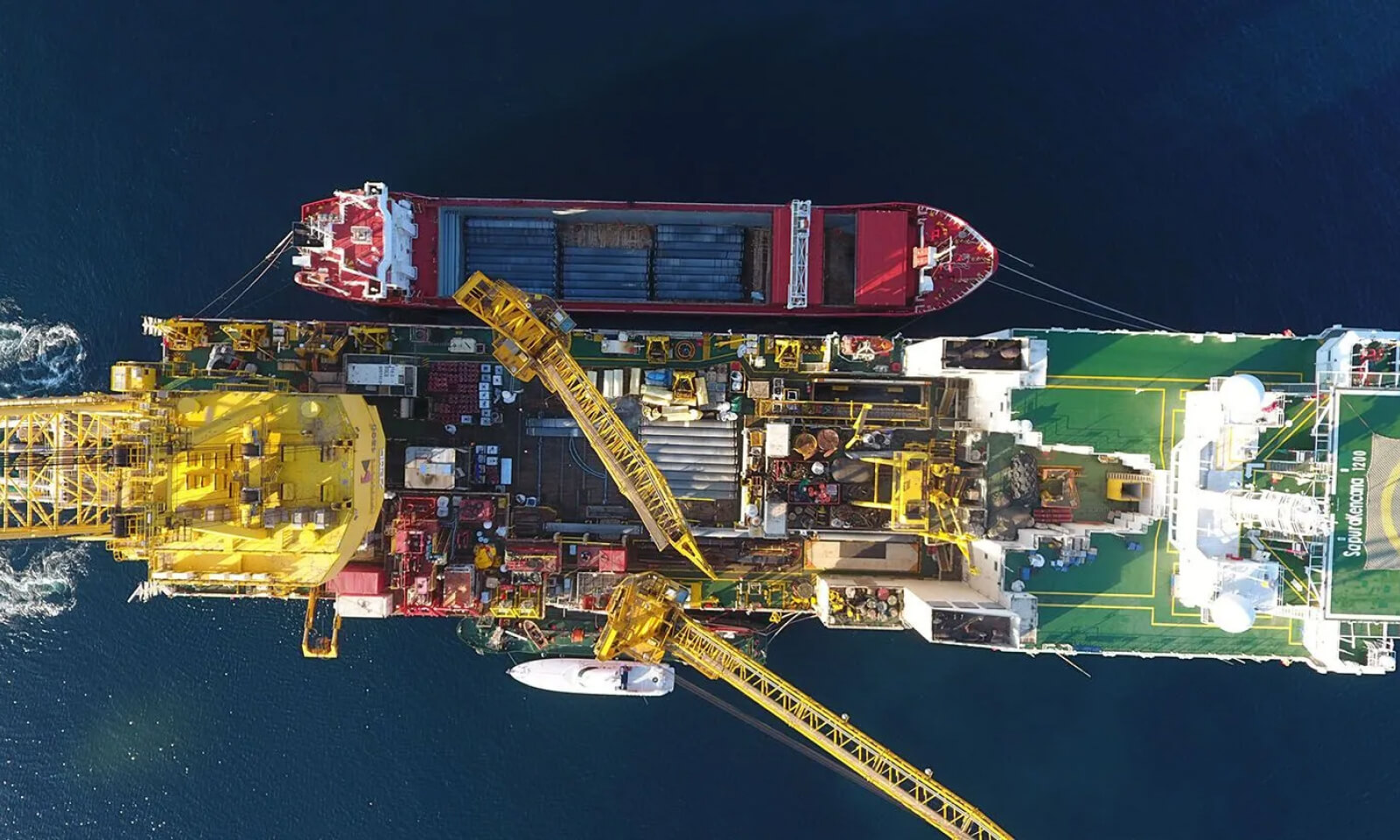
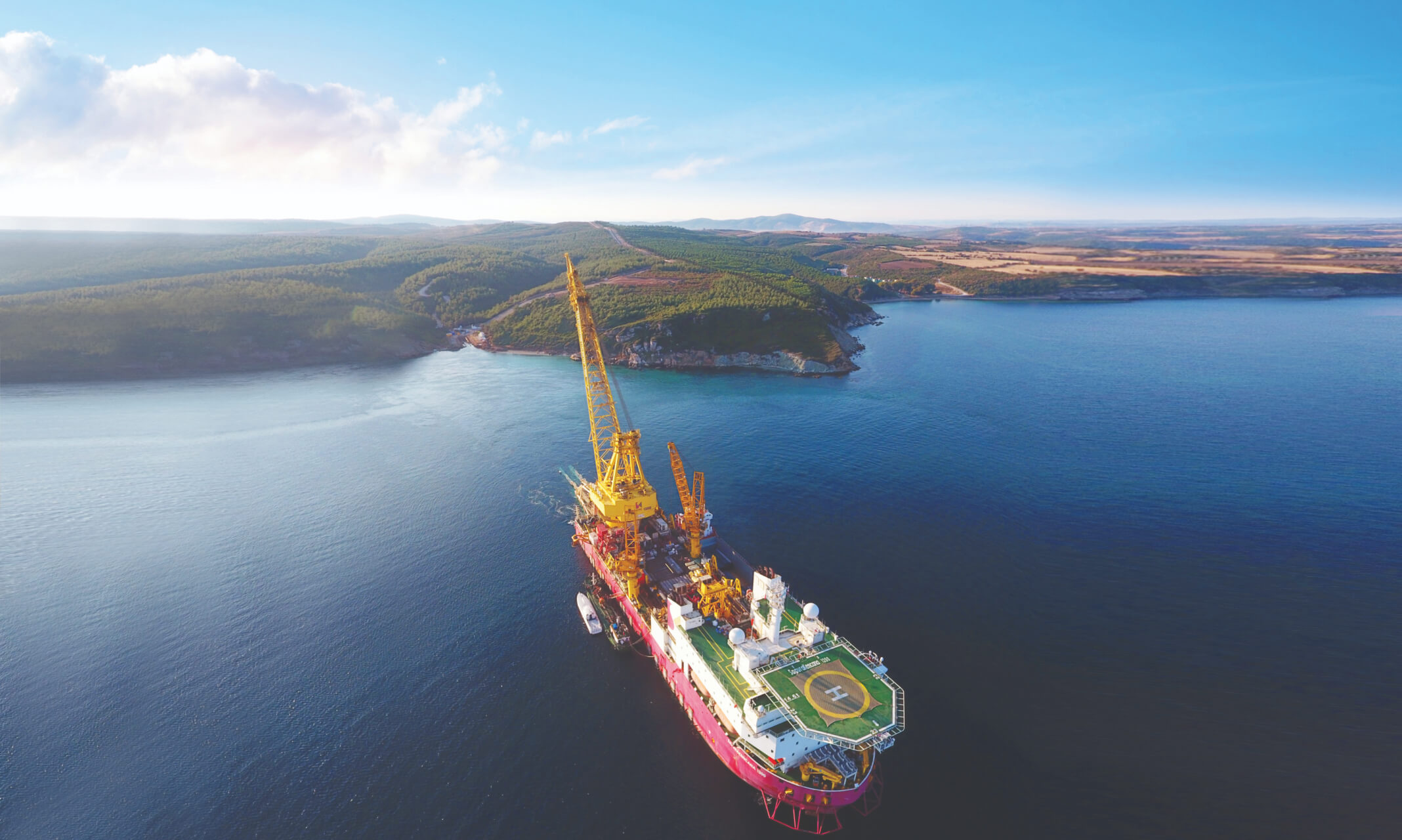
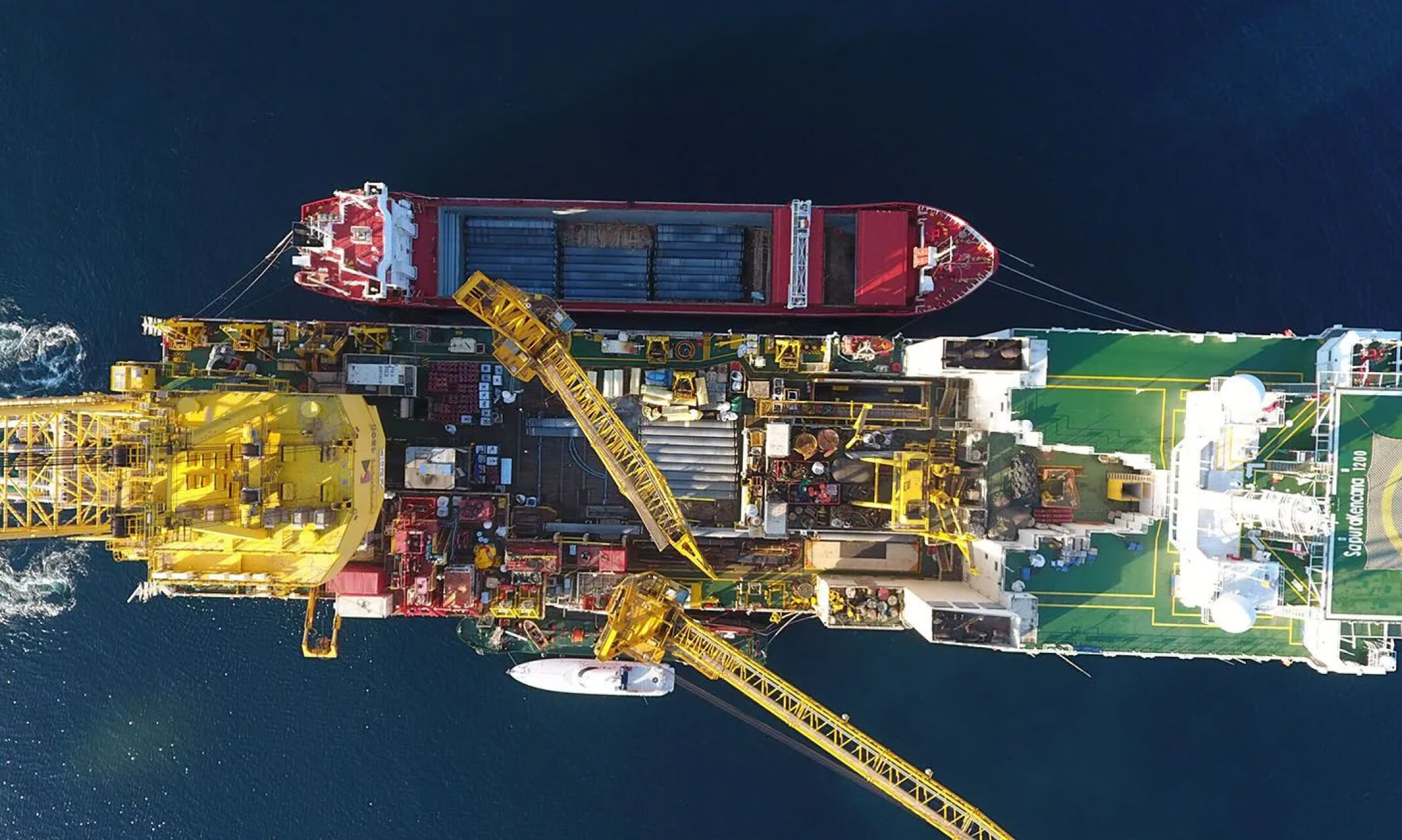
Specialist pipe laying vessels were used for underwater installation at 65 m depth.

Three layer coating protected pipes against corrosion.

Environmental monitoring programs minimized impacts on marine ecosystems.

Sustainability
Energy and Resource Management

Low emission fuels were preferred for construction vessels and machinery.

The twin pipeline system was designed to reduce energy losses during maintenance and operation.
Water and Ecosystem Management

Seabed biodiversity was studied before works and routes were revised in sensitive areas.

Construction was restricted seasonally to protect marine organisms.
Waste Management

Metal, coating and other construction waste was separated and recycled.

Hazardous waste was disposed of to international standards.
Reducing Environmental Impacts

Noise and vibration were continuously measured, with schedules coordinated with maritime traffic.

Rehabilitation followed interventions on the seabed.
Long Term Sustainability

Twin pipelines were built for long life and minimal maintenance.

Continuous monitoring systems addressed line safety and environmental impacts.
The project was built underwater between Kemer and Kavakköy at the Dardanelles entrance to the Marmara Sea, using a 34 km twin pipeline system of 36 inch diameter. Work at seabed depths reaching 65 m stands out as one of the most challenging engineering tasks in Türkiye's energy infrastructure.
Gallery
Other Projects